We use analytics cookies to understand traffic and improve Vizterior. They load only if you accept—declining won't limit the site in any way. See our Privacy Policy.
01 / Your room02 / Your inspiration03 / A new direction
01 / Two images, two roles
Keep the room. Borrow the feeling.
Your room photo is the starting space. The second image supplies a style direction: perhaps the richness of dark wood, a blue-and-white palette or the softness of layered textiles. Keeping those roles separate makes the request easier to understand.
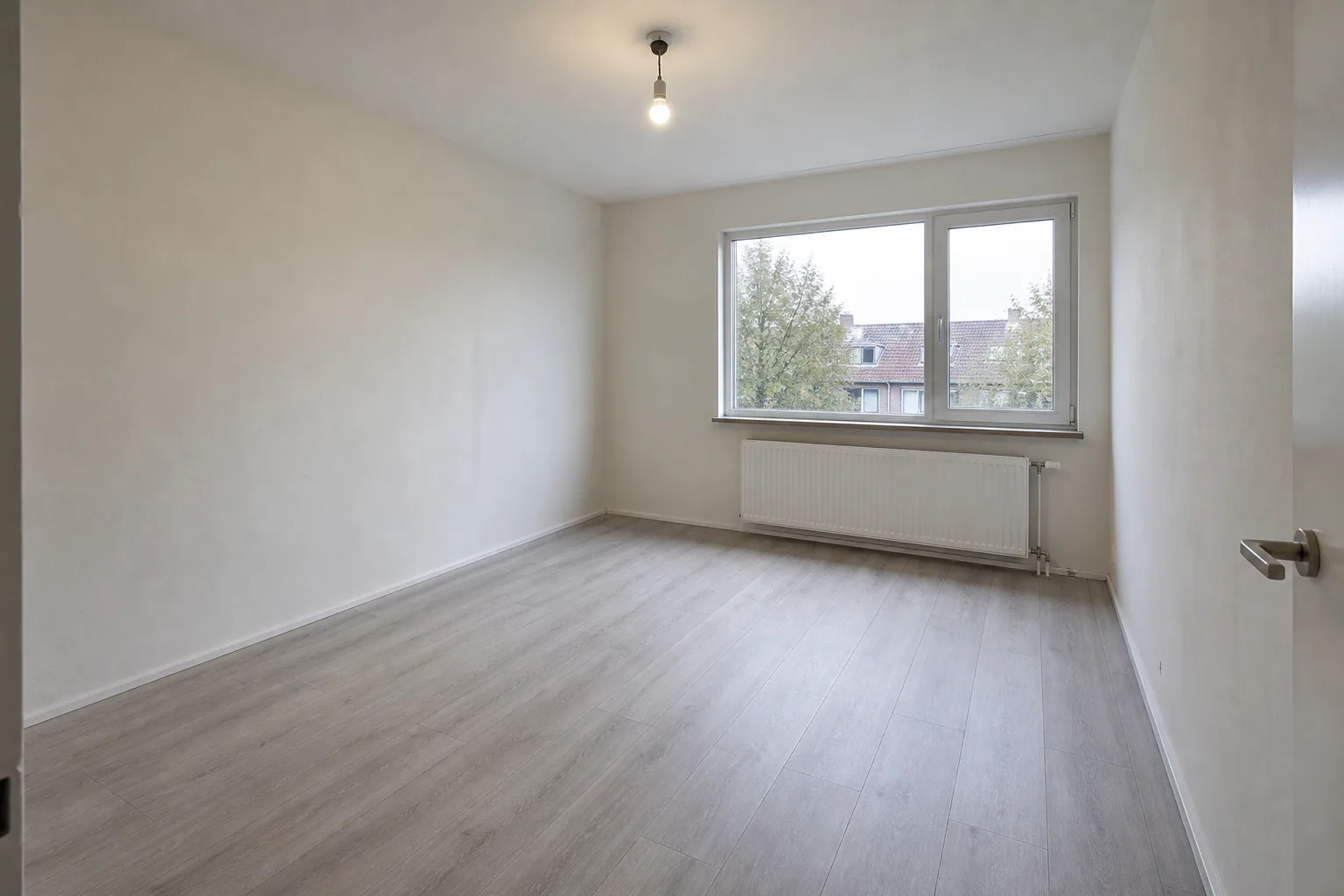
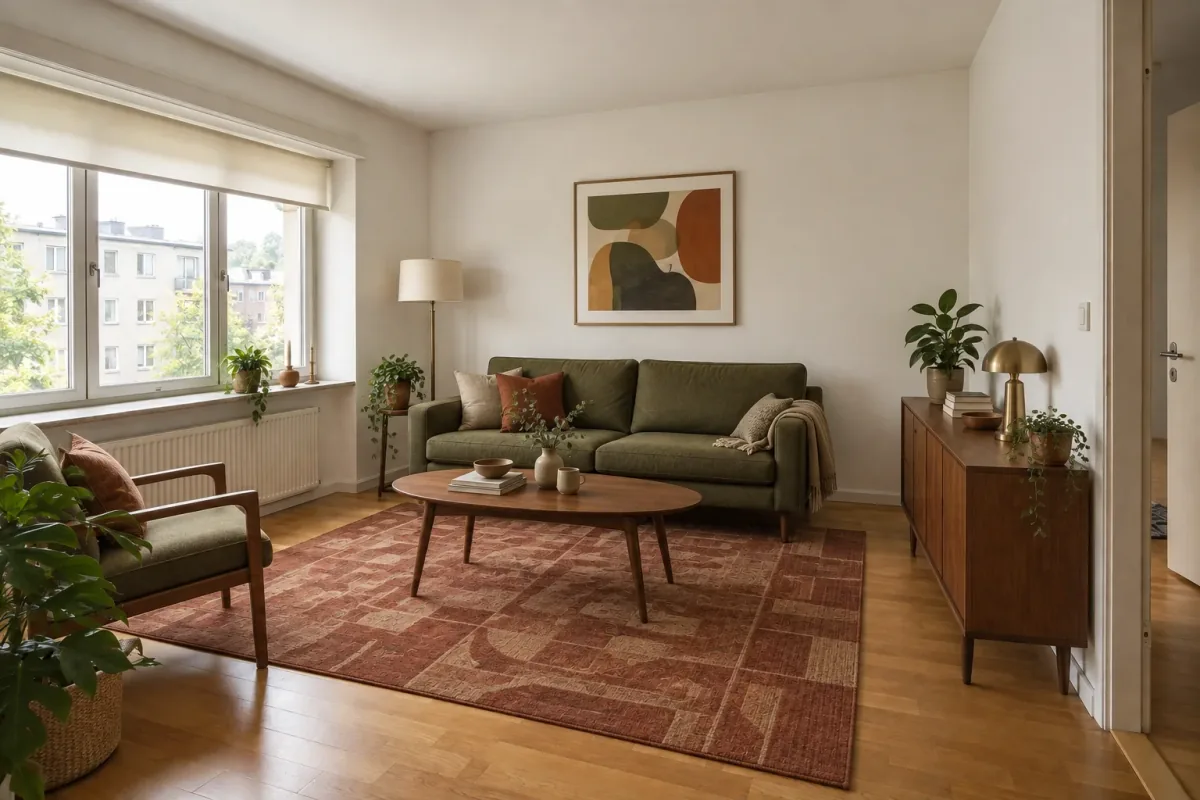
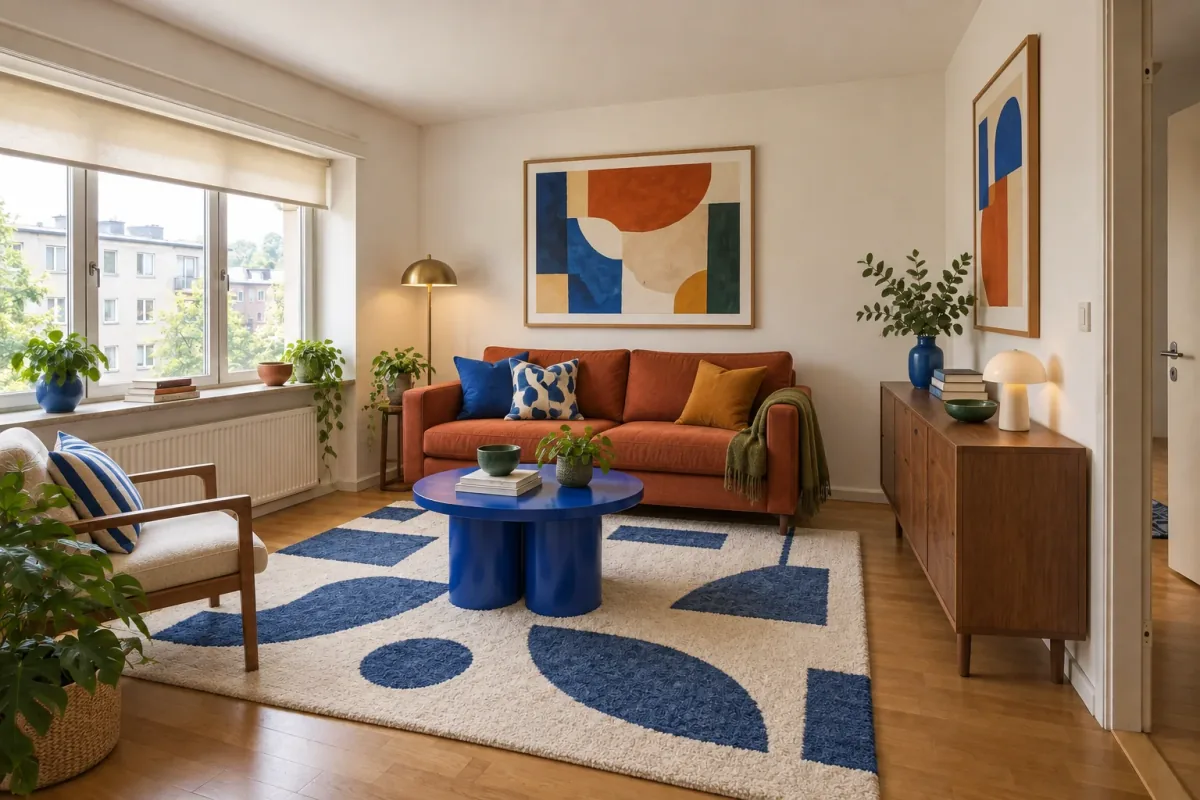
In this example, the inspiration is a living room, while the target is an empty bedroom. The goal is to translate its mood into bedding, bedside furniture and accents. It is not to put a sofa in the bedroom or replace its architecture with the reference room.
Use the room you want to change as the base.
Choose a separate image with a clear visual direction.
Describe which qualities you want to transfer.
02 / Explore three references
One bedroom. More than one way to feel at home.
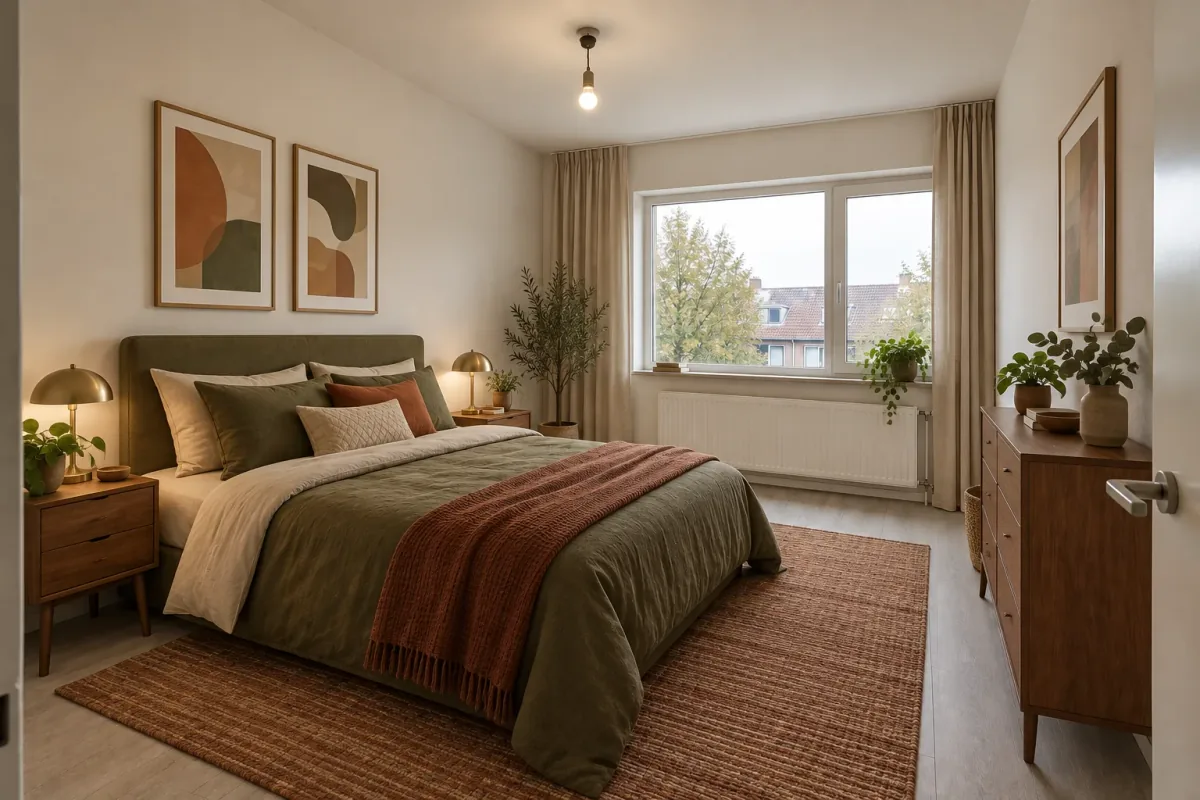
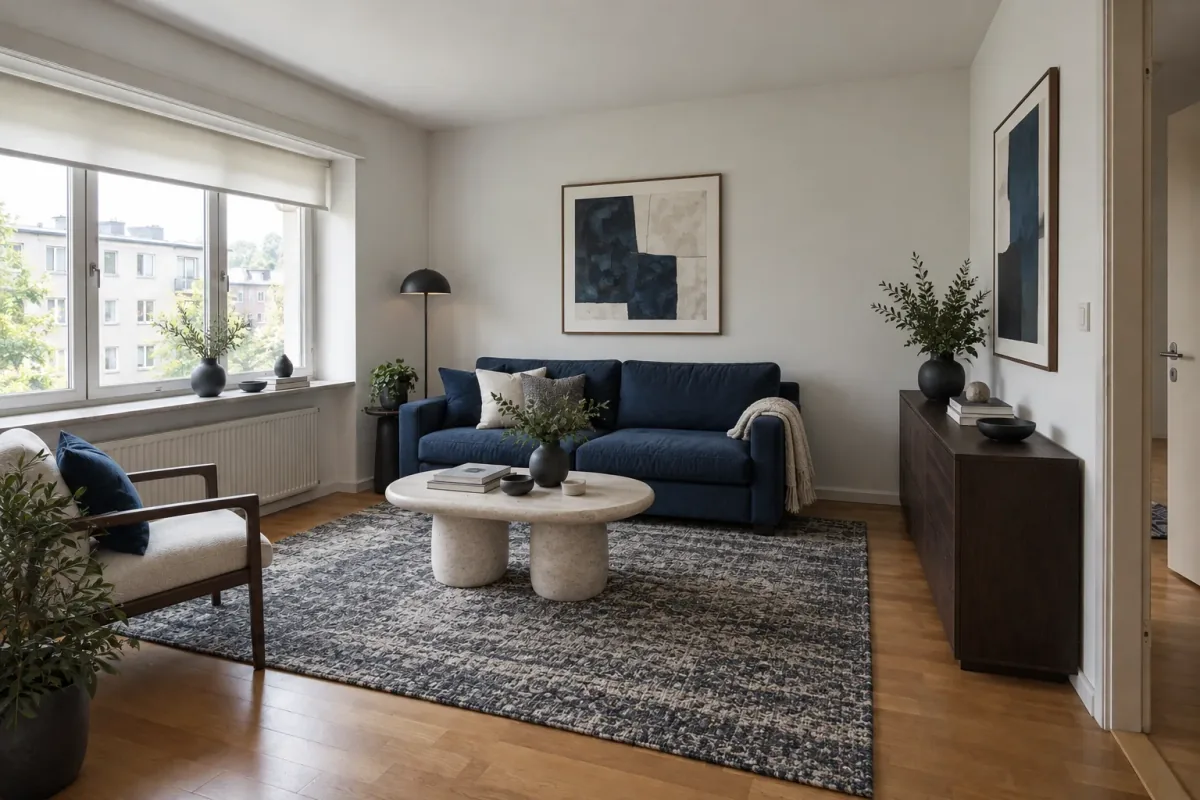
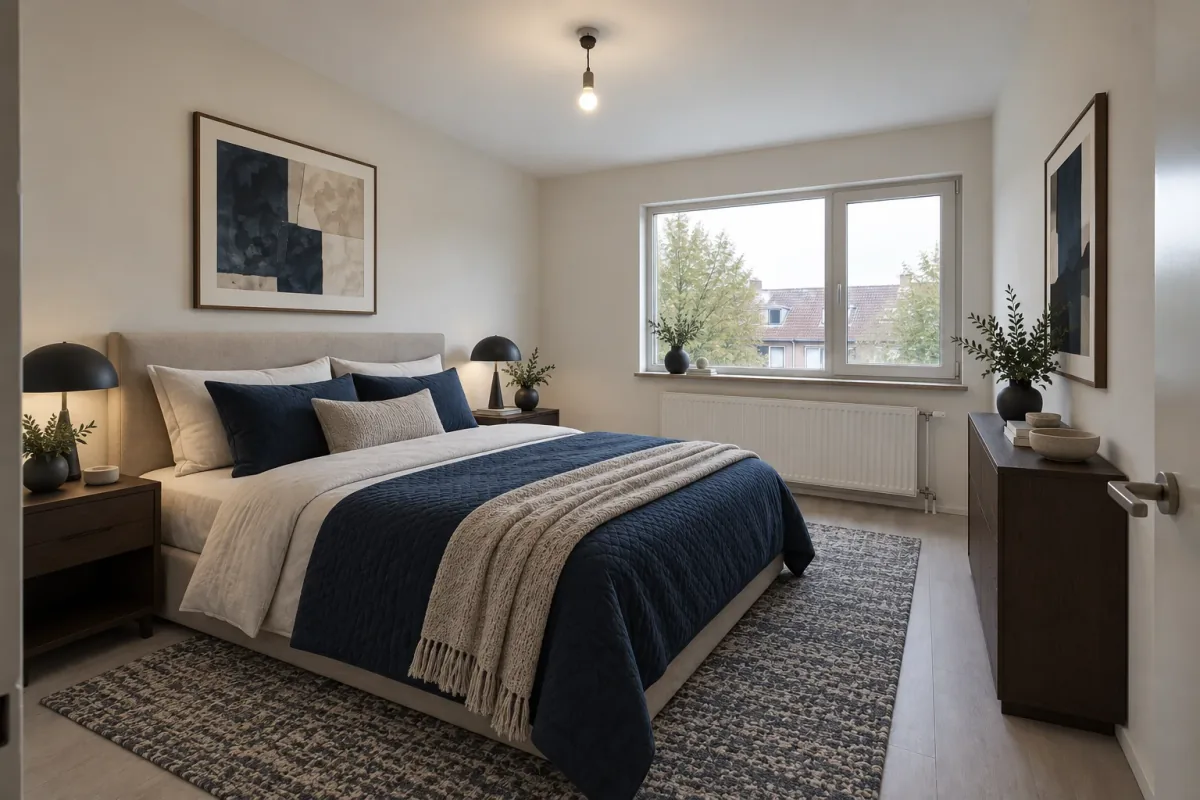
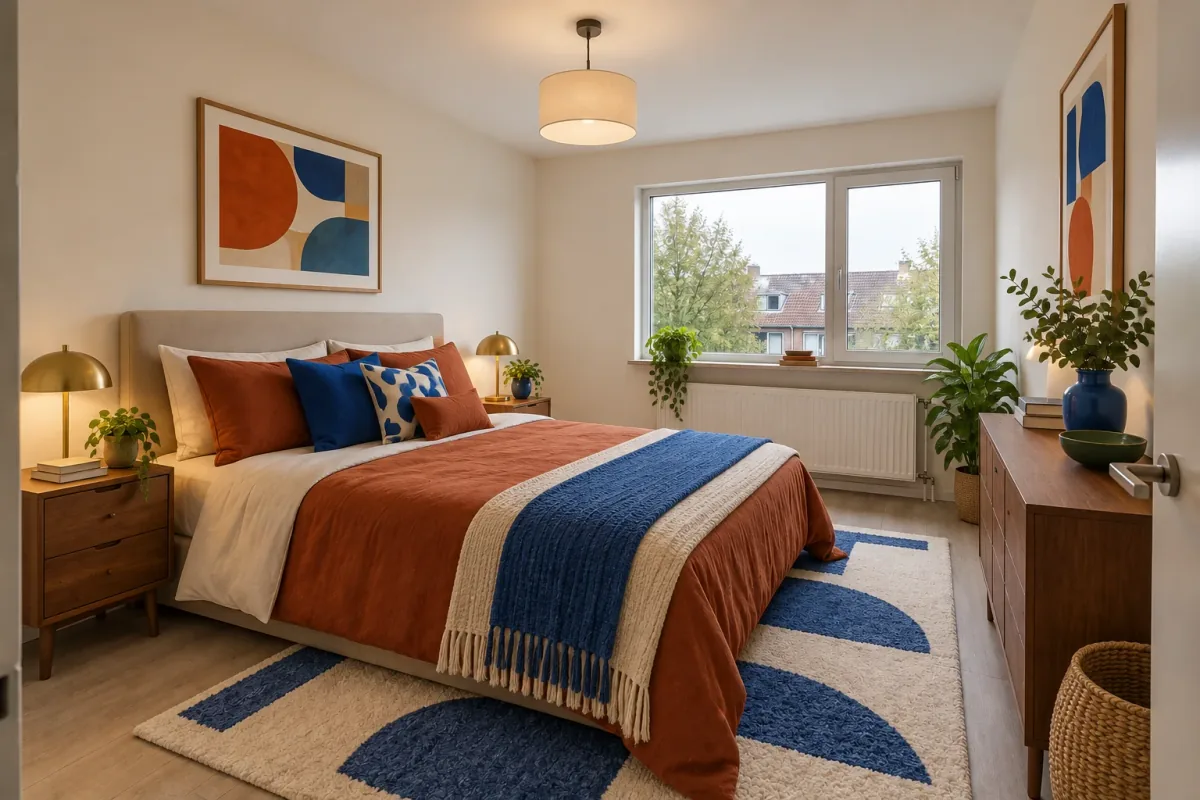
Compare the same bedroom with three distinct references. Olive and walnut suggest a warmer mid-century direction; ink blue and darker wood create a more restrained contemporary feel; terracotta and cobalt make a brighter, more playful combination.
Look for the idea that carries across, rather than an exact replica of individual objects. A material relationship can work well even when the furniture type changes. Check the window, radiator and doorway against the base photo as you assess each option.
Reference / olive and walnutBedroom / olive and walnutReference / ink and stoneBedroom / ink and dark woodReference / terracotta and cobaltBedroom / terracotta and cobalt
A reference can contain several ideas at once. If the palette is what attracts you, say that. If it is the timber and textiles, name those materials. You do not have to request every object or every decorative detail in the image.
For a bedroom, you could ask to translate the reference into bedding and bedside furniture while retaining the original floor. For a furnished room, identify any existing pieces you want to keep. A short instruction helps separate your priorities from incidental details in the inspiration.
An instruction you can adapt
Use the second image as a style reference for the bedroom in the first image. Borrow its olive, walnut and rust palette for the bed, bedside furniture and textiles. Keep the original window, radiator, doorway, floor and camera viewpoint as consistent as possible.
04 / Pick an image with a clear idea
A useful reference is easy to describe.
Choose an image where you can clearly see the palette, materials and lighting that interest you. A single room view is often easier to interpret than a busy collage with many unrelated spaces. The style does not have to come from the same room type, but explain how you want it adapted.
Use images you own or have permission to use. Avoid private details you do not want to upload. If the inspiration is mostly about one material, include that in the instruction so the model does not have to infer your preference from the entire scene.
Look for a coherent palette and readable surfaces.
Name the qualities that matter more than individual objects.
Keep your source photo clear enough to review the room’s boundaries.
Make the direction your own
The reference starts the conversation.
Once you have a useful result, continue from it with a focused instruction. The overall style might work while the bedding is too dark or the accent color feels too strong. A smaller next change is easier to judge than restarting the entire style brief.
Use the original room, reference and chosen result together when discussing the design. Each answers a different question: what is there, what you like and what you want to explore next. Verify furniture fit and actual materials before turning the concept into a physical plan.
A more restrained directionA more expressive direction
Good to know
A few questions before you start.
What is the difference between a room image and a style reference?+
The room image shows the space you want to change. The reference image guides the visual direction. Add them in their respective roles in Match a style, then explain the palette, materials or mood you want to bring across.
Do both images need to show the same type of room?+
Not necessarily. A living room can suggest a palette for a bedroom. Explain the adaptation you want, and choose a reference with readable materials and colors. The result should be reviewed against your target room, not treated as a literal copy.
Will the furniture match the reference exactly?+
An AI style transfer is not an exact product-placement system. Shapes, details and proportions may differ. Use it to explore a design direction and find actual furniture separately.
Can I use just the reference palette?+
Yes—say explicitly that you want the color palette, and name the room elements to retain. A focused brief makes it easier to judge whether the reference contributed what you intended.
What if the result changes my room layout?+
Check the result against the original openings and furniture positions. Try a more specific instruction or continue from a result with better spatial consistency. No generated result should be assumed to preserve exact dimensions.
Can I refine the result without another reference?+
You can select a successful result and make a follow-up edit with an instruction. Use this for a more focused change after you have found an overall direction you like.